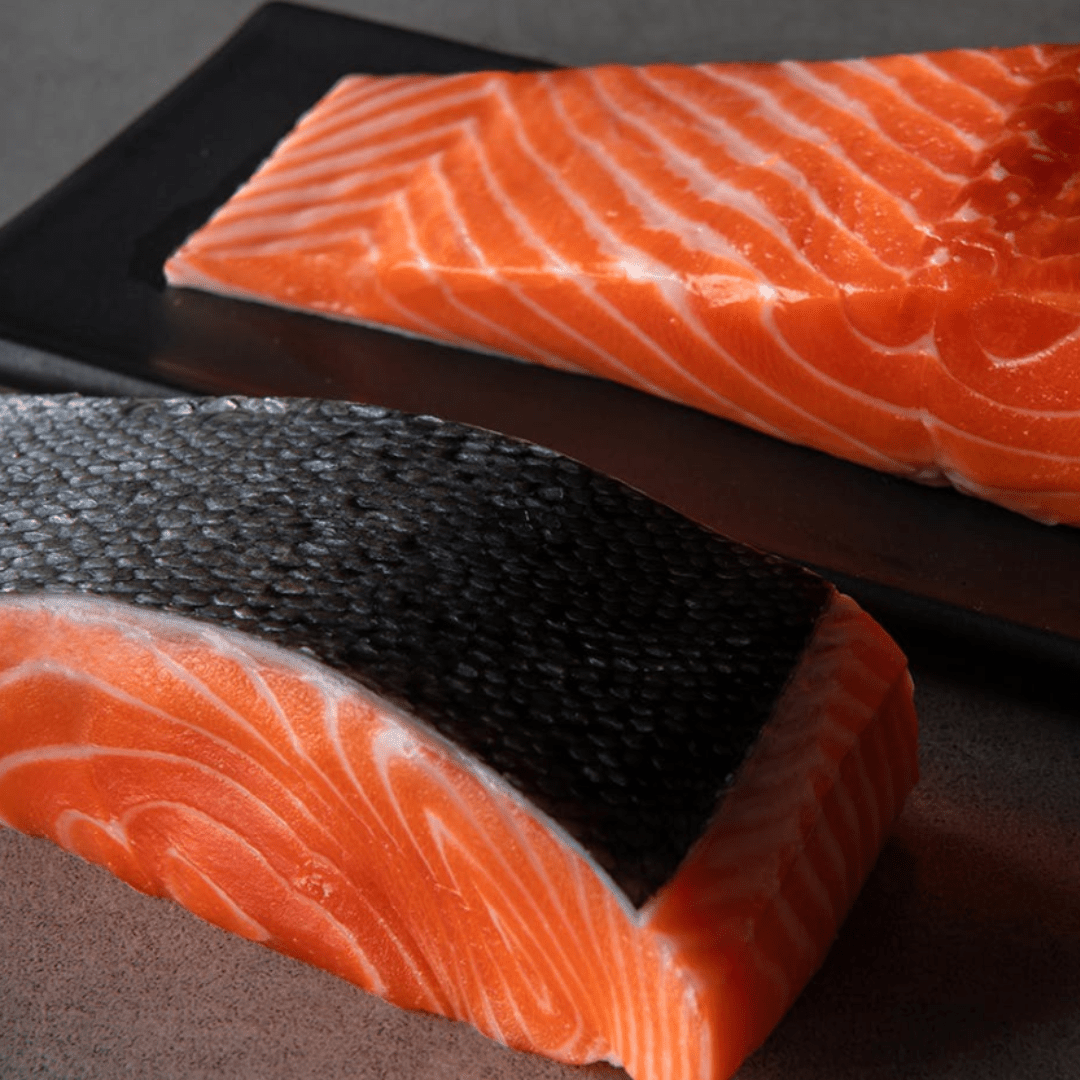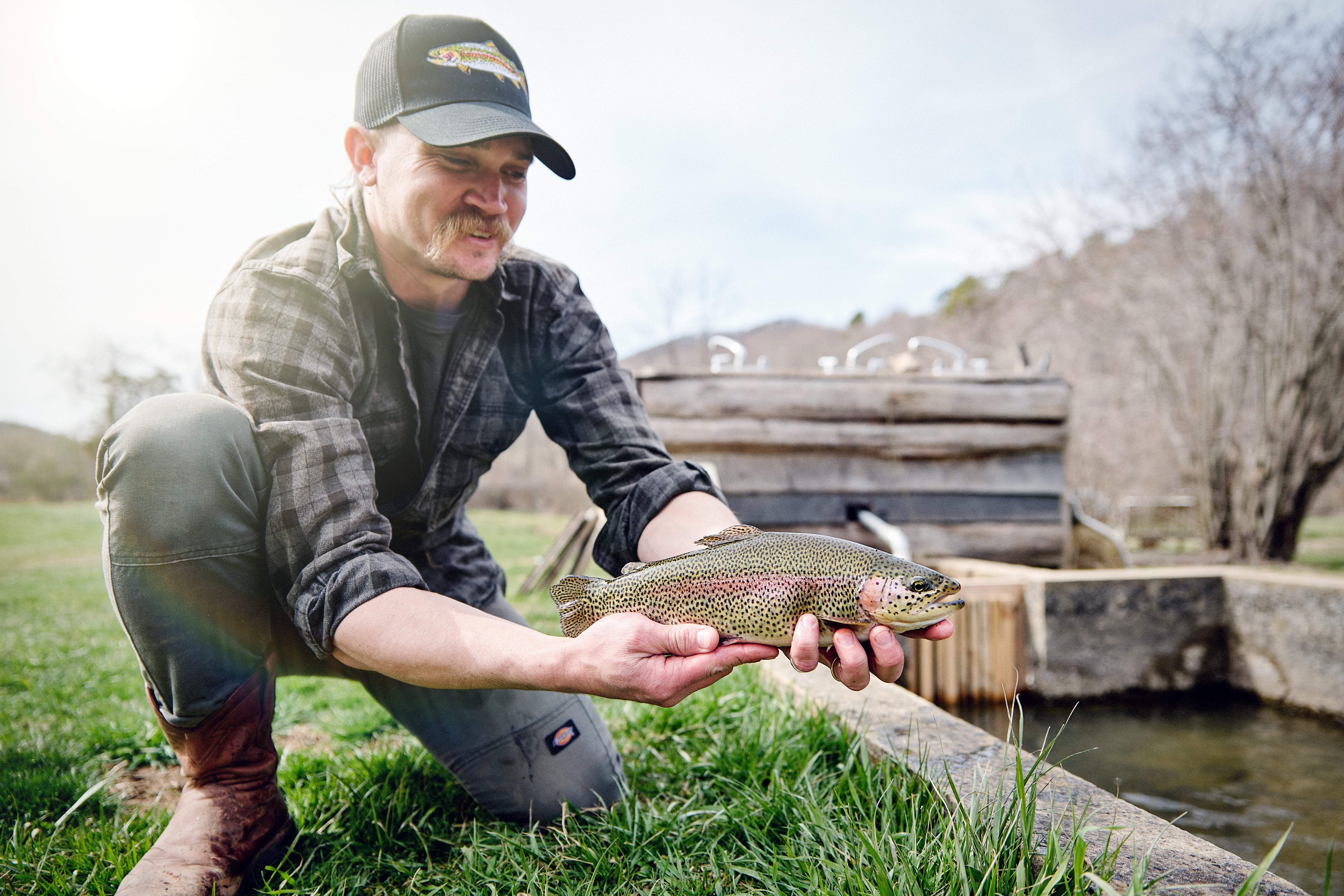
Trout raised by hand - hand feeding, hand harvesting, and hand processing.
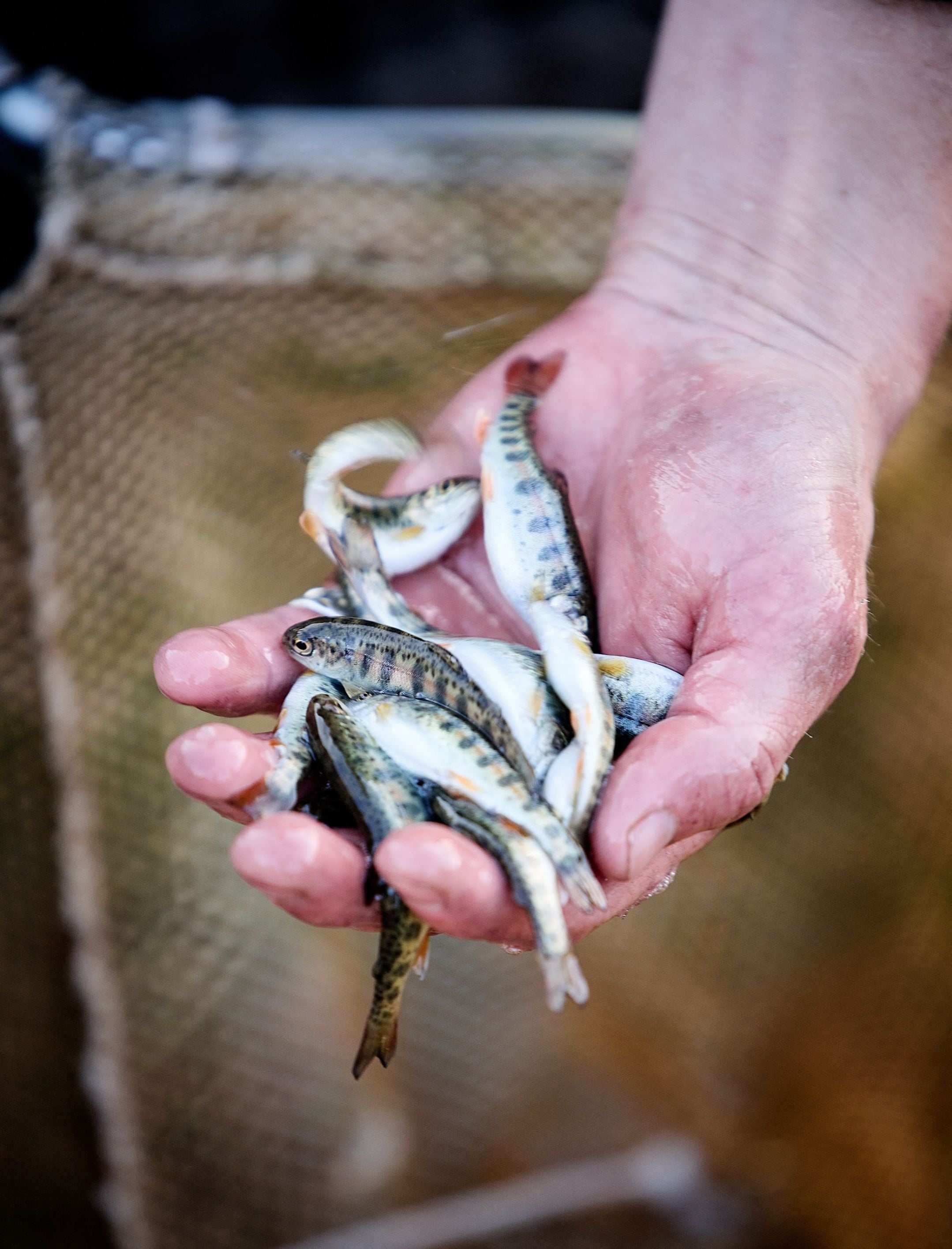
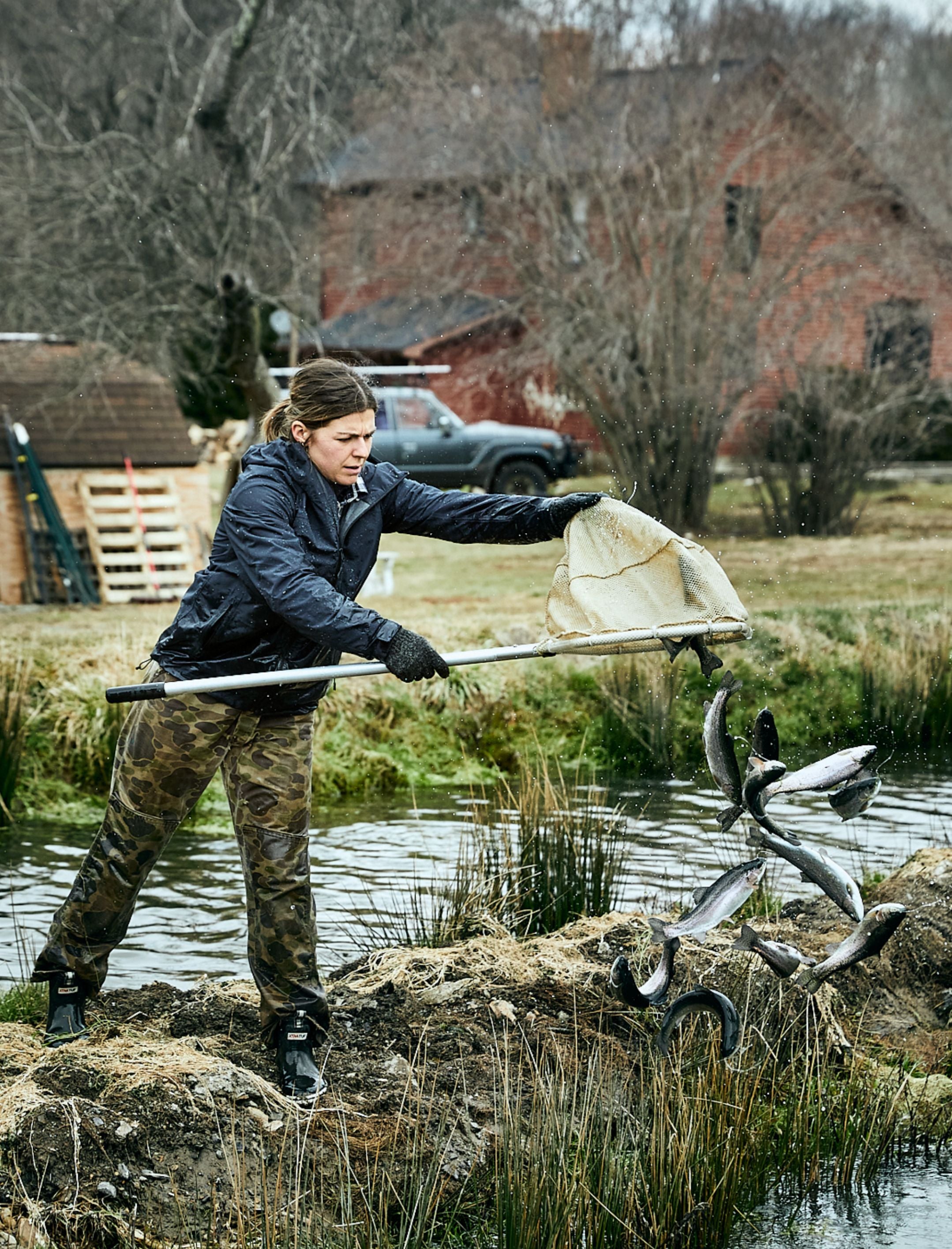
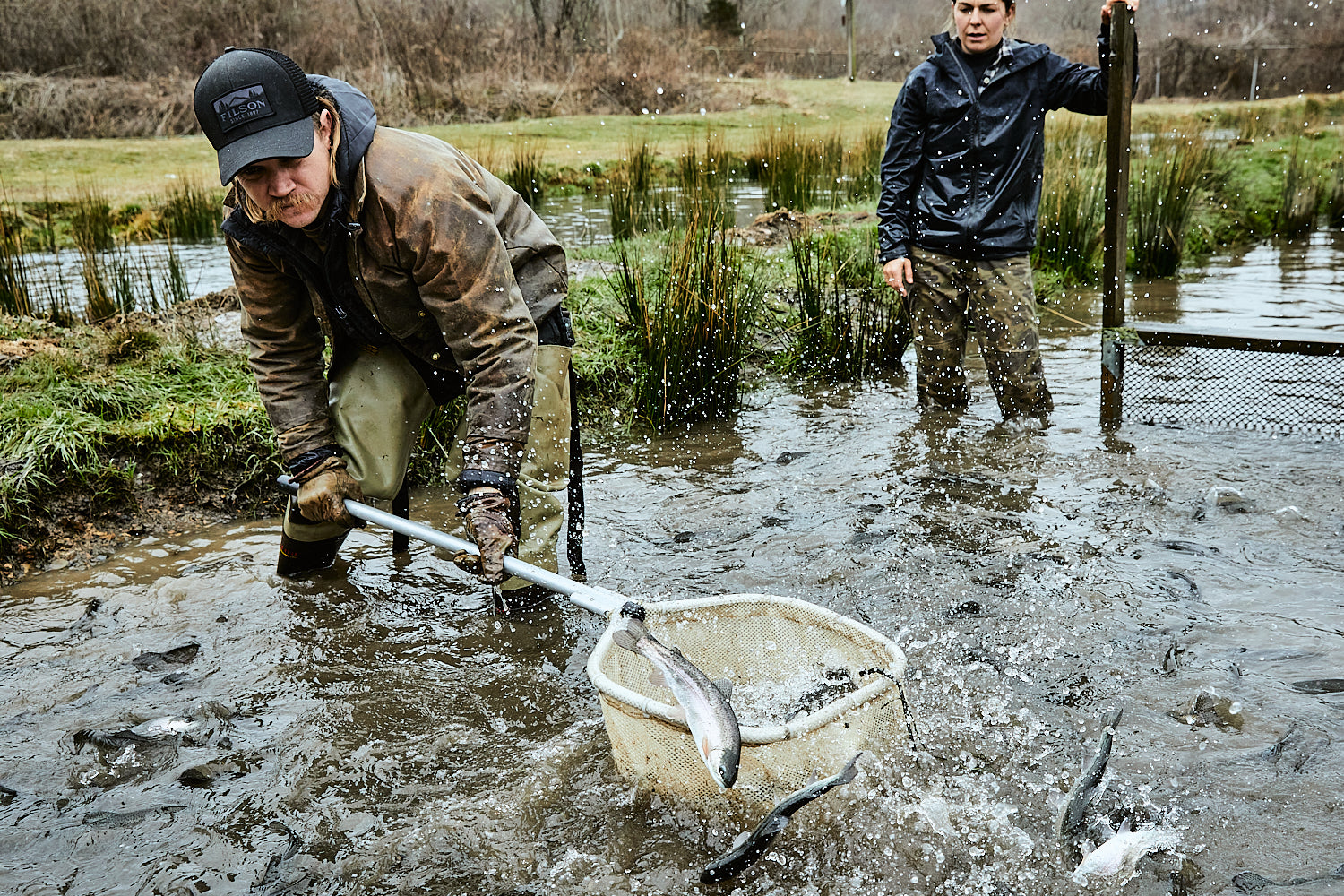
At Smoke in Chimenys, rainbow trout are raised in spring-fed waters flowing through a restored 1800s hatchery and raceway system in the heart of Appalachian South. There are no electric pumps, no chemicals, no shortcuts. Just gravity-fed water, traditional methods, and a commitment to fish health and environmental harmony.
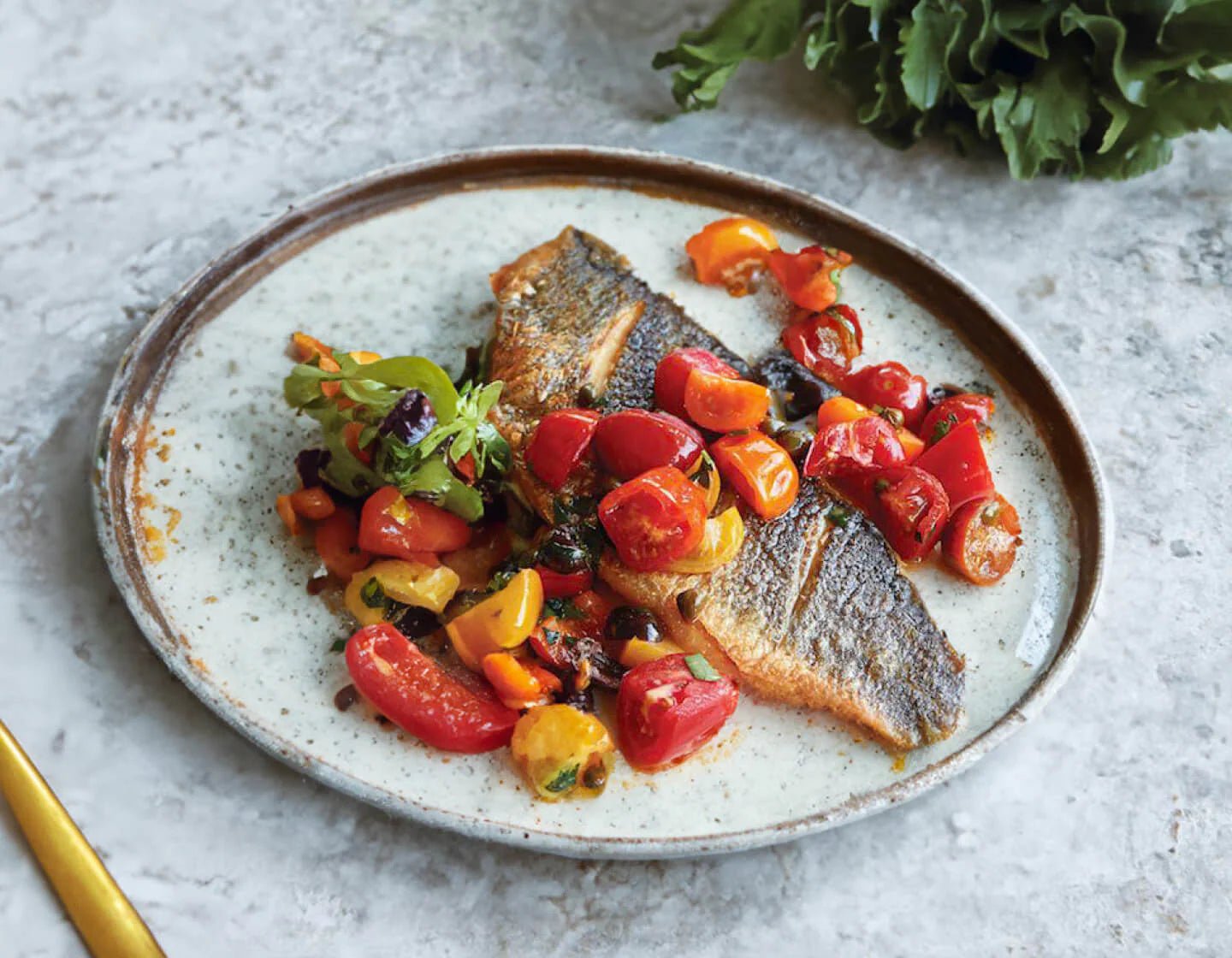
They raise trout by hand - hand feeding, hand harvesting, and hand processing. The result? Trout with clean, sweet flavor, delicate flaky texture, and crispable skin that chefs and home cooks love. Loved by Michelin starred chefs and home cooks alike, Ty’s farm is an example of responsible aquaculture rooted in Appalachian legacy, proving that low-density, low-intervention farming can yield food that’s both delicious and environmentally sound.
Cold, clear water from the Blue Ridge Mountains
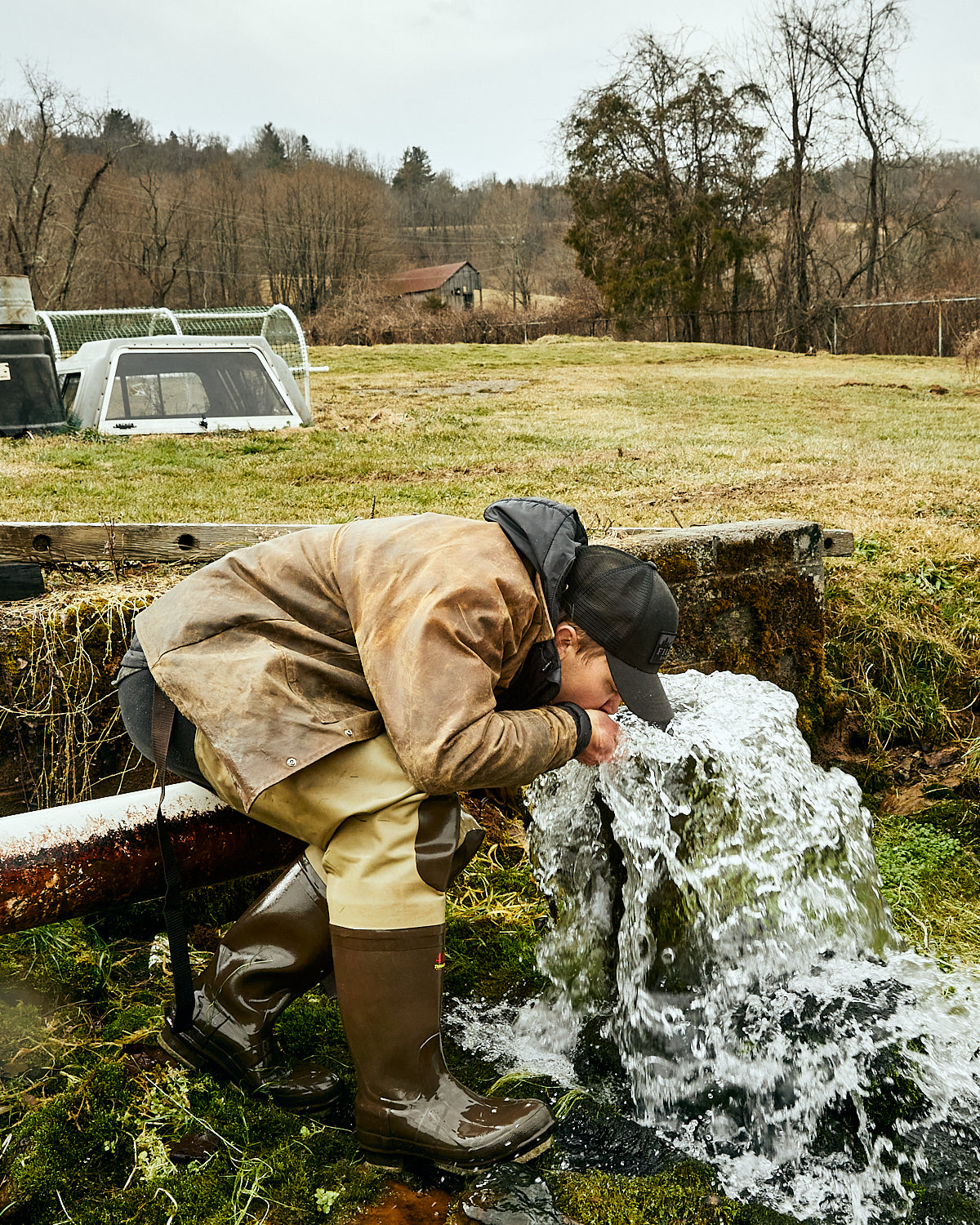
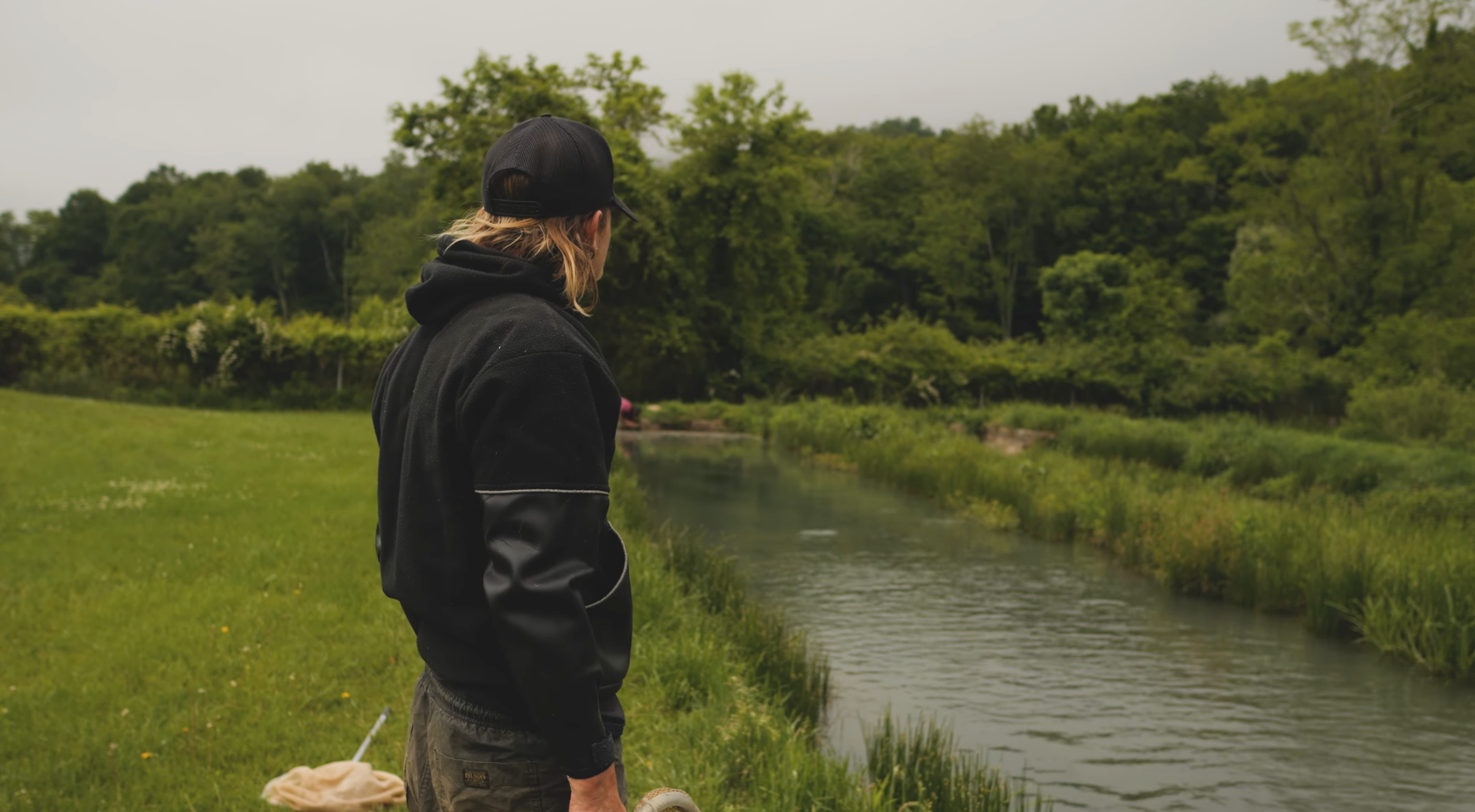
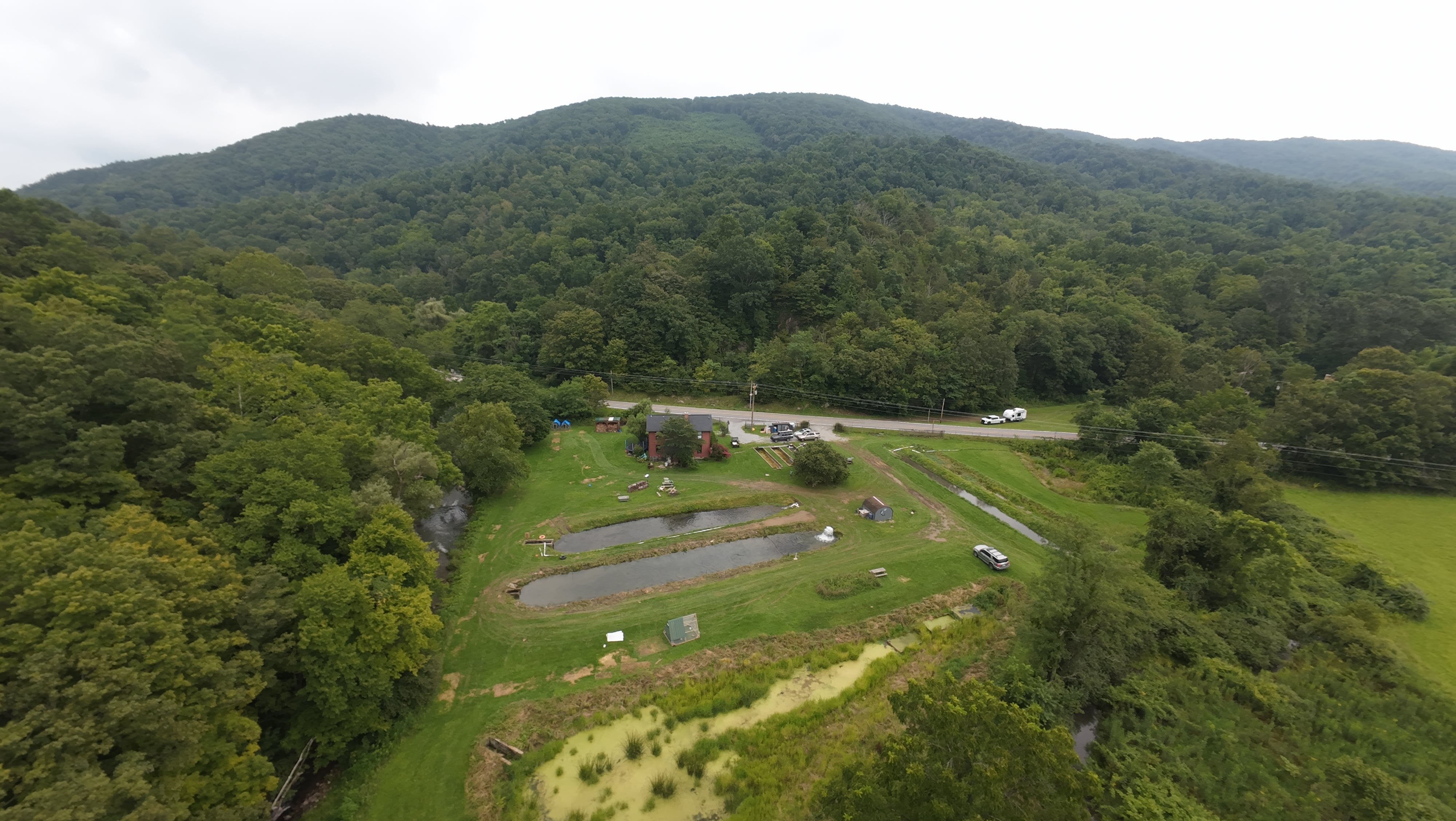
Smoke in Chimneys operates in foothills of the Blue Ridge Mountains, on land that in many ways helped shape the history of mainland American aquaculture. Here, cold, clear spring water from limestone aquifers travels downhill through a gravity-powered raceway system first built in the late 1800s. This natural water flow oxygenates the trout and keeps their environment clean without the need for external energy inputs.

A new wave of trout farming
Smoke in Chimneys is the life’s work of Ty Walker, a Virginia native who grew up farming and fly fishing in the Shenandoah Valley. After years of living in the city, Ty and his wife Shannon felt called back to the land and discovered their purpose in an unexpected place: a defunct 1930s trout hatchery near New Castle. Overgrown and silent, the property had sat dormant for years, until a former hatchery worker turned an old cast-iron valve and the water flowed once more. That moment sparked Ty’s vision. Armed with a century-old book on trout farming and a shared determination, the Walkers restored the historic site by hand, learning as they went. In 2022, they launched Smoke in Chimneys to raise trout the old way. Every fish reflects their labor, their reverence for nature, and their belief that the best food is born from care, history, and clean water.
from Smoke in Chimneys
Rainbow Trout
Smoke in Chimneys raises rainbow trout (Oncorhynchus mykiss), a freshwater species native to cold, fast-moving streams and perfectly suited to the spring-fed raceways of New Castle, Virginia.
We like them grilled whole, smoked, or baked in the oven en papillote - wrapped in butcher paper and aromatics like lemon, rosemary and sea salt.


Freshwater elegance — tender, nutty, and superb when pan-fried with herbs or gently smoked
What do the fish eat? - Fish feed FAQ
Feed is the single biggest factor in how clean and how nutritious a fish is. A fish is built from what it eats, which means the feed decides its omega-3s, its mineral profile, and how much mercury or microplastic it carries. That's why we treat feed as a sourcing requirement rather than a farm detail, and why every farm we work with has to tell us exactly what goes into the pellet.
Feed varies by farm, by species, and by stage of growth. The ingredients and the rules below hold across all of them.
What can be in it?
Algae oil:
The original source of EPA and DHA omega-3s. Fish don't make omega-3s, they accumulate them from what they eat. Algae is where those fats come from in the ocean too.
Marine ingredients (fishmeal, fish oil):
Protein and fats in the form fish evolved to digest. We work to reduce this share over time, not eliminate the nutrition it provides. A large amount of marine ingredients already come from offcuts, meaning parts of fish that are not suitable for human consumption, and so reducing ocean impact further.
Plant proteins (soy, pea, barley, corn, pistachio):
Non-GMO, high-protein, highly digestible. Replaces wild-caught protein without issues for the fish, reducing ocean impact.
Amino acids and minerals:
Fills the specific nutritional gaps plant proteins leave, so nothing is missing from the diet.
Astaxanthin:
A naturally occurring carotenoid, the same one found in kelp, krill and shellfish. It's an antioxidant for the fish and the reason salmon flesh is pink.
What's never in it?
Preventative antibiotics, hormones, GMOs, synthetic colouring agents.
Why is there plant protein in fish feed?
Because the alternative is more wild fish. Aquaculture used to run almost entirely on fishmeal and fish oil, which meant catching enormous volumes of small wild fish to grow larger ones. Swapping part of that for high-protein plants takes pressure off those wild stocks while still giving the fish bioavailable protein.
There's a second reason: wild fish carry what the ocean carries. Less wild fish in the feed means less mercury, fewer microplastics and lower parasite risk arriving in your fillet. A controlled diet is what makes a clean fish possible.
Are the fish dyed?
No. Post-harvest colouring agents are prohibited across everything we sell. Colour comes from astaxanthin in the feed, a natural carotenoid found in kelp, krill and shellfish. Wild salmon get their colour the same way. So do flamingos.
Lab tested to ensure it meets the Seatopia Standard
Smoke in Chimney’s trout feed on insects and microorganisms thriving in their spring-fed habitat. To support healthy growth and maintain nutritional quality, their diet is supplemented with a premium, low-fiber feed made of 65% ocean-sourced fish protein and fat, 4% grain fiber, and 30% plant ingredients and trace minerals. Raised without additional inclusions or antibiotics.
Rainbow Trout Recipes
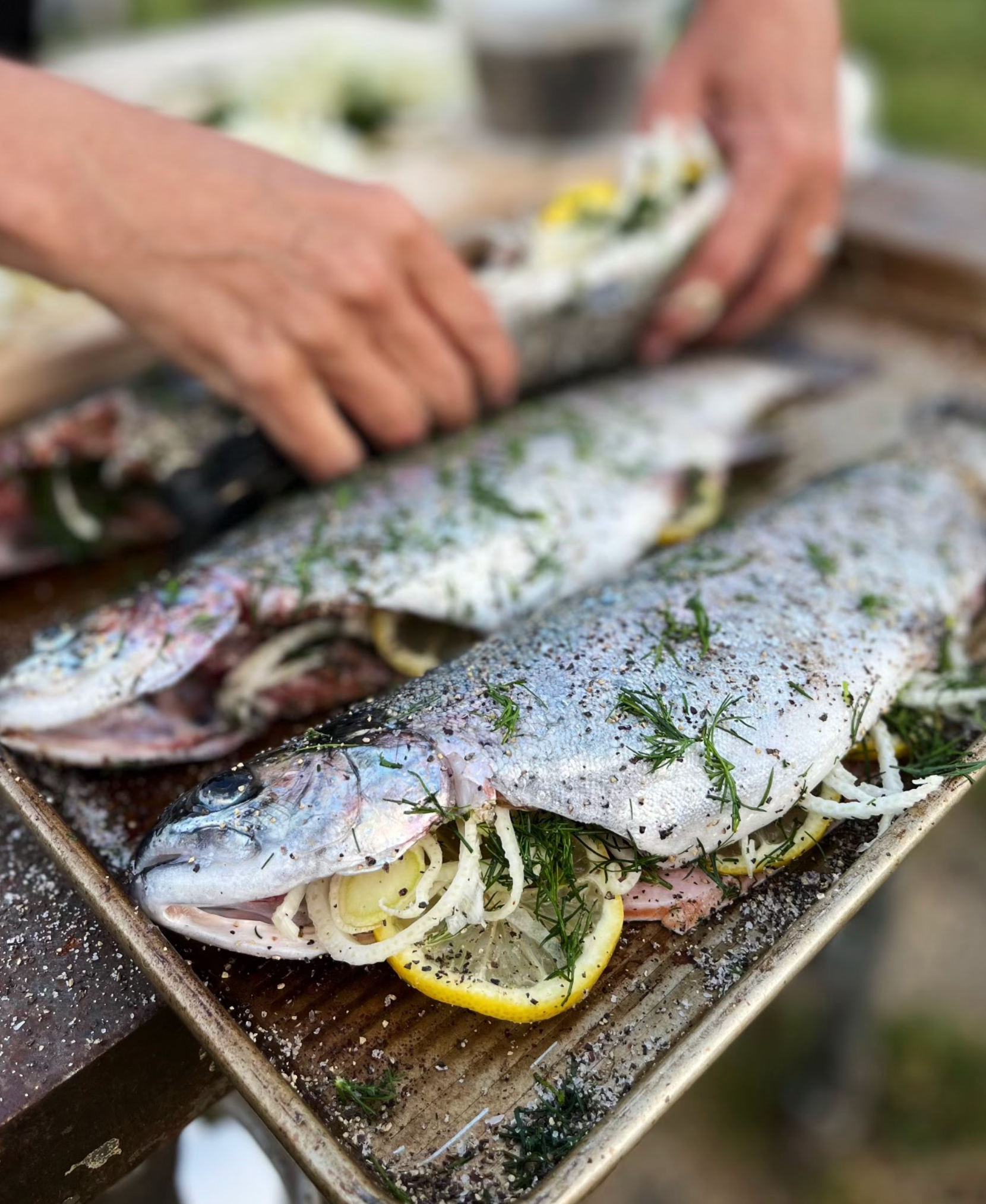
Grilled Whole Trout
Trout is delicate with a mild clean flavor and nutty, buttery notes which makes it the perfect canvas. Smoke in Chimneys spring-raised trout is on the menu at some of the East Coast's most distinguished restaurants - including multiple Michelin Star locations.
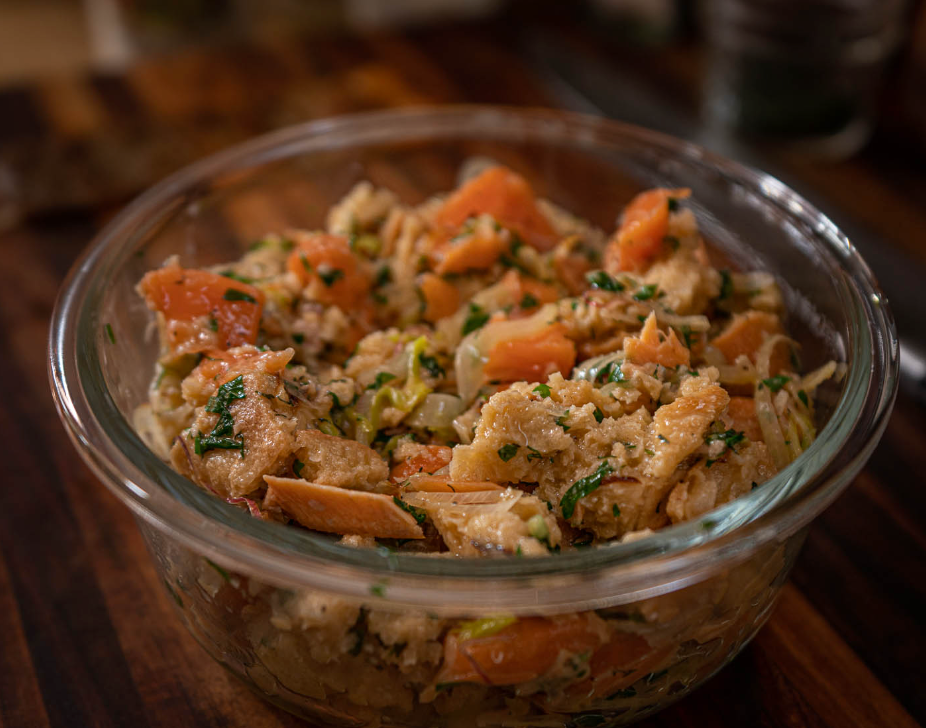
Pescatarian Stuffing
Instead of using sticks of butter to resuscitate a boxed Thanksgiving stuffing recipe, let's make it something extra special this year, so delicious and, dare I say, good for you!
"As the fish is sushi-grade, please don't over cook it!"
- Chef Mike Tully
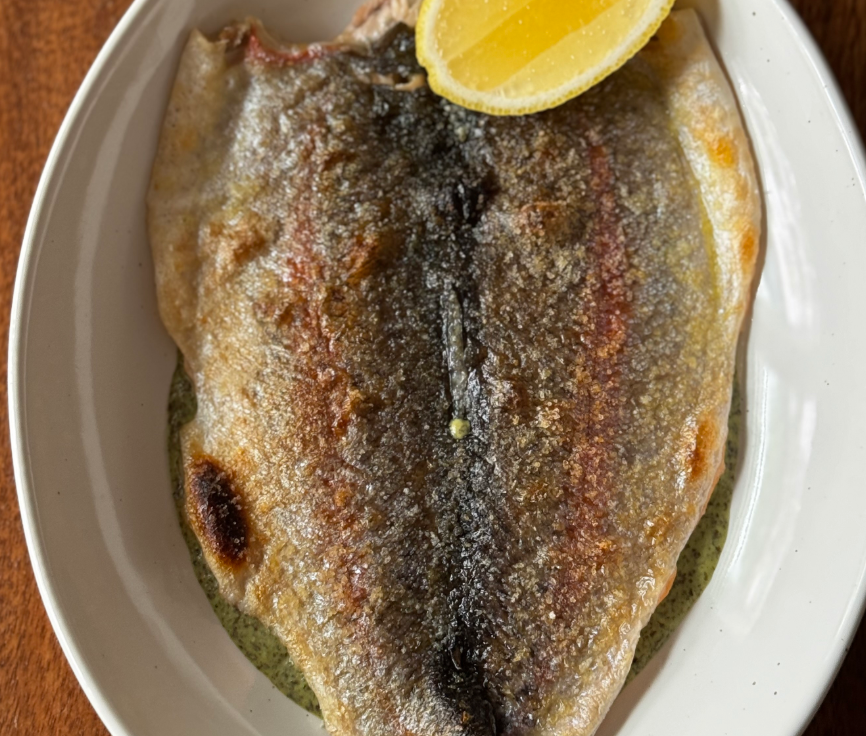
Butterflied Broiled Trout
Join us in preparing a perfectly broiled Butterflied Rainbow Trout, a flavorful recipe. Watch the full video below to learn how to debone the fish using the Butterfly technique and then broil the fish to create the perfect crispy skin. We serve it over a vibrant sauce made from roasted poblano peppers, cilantro, lemon juice, olive oil, anchovies, and nori. This dish brings out the best in sustainable seafood, highlighting the natural flavors of the ocean with a zesty twist.